Blog

Insights on emotional intelligence, leadership, and the conversations that move teams forward.

Featured · pitch-deck

Airbnb Pitch Deck Breakdown: Why a Scrappy 2009 Deck Raised $600K

A slide-by-slide breakdown of Airbnb's original seed pitch deck — what worked, what every modern founder copies from it, and the structural lessons that still hold seventeen years later.

EmpathyQ Team ·
pitch-deck

The Y Combinator Pitch Deck: What YC Partners Actually Look For

A guide to the YC pitch deck format and the rehearsal habits Y Combinator partners use to drill founders before Demo Day. Drawn from Kevin Hale, Michael Seibel, and Paul Graham's public writing and talks.

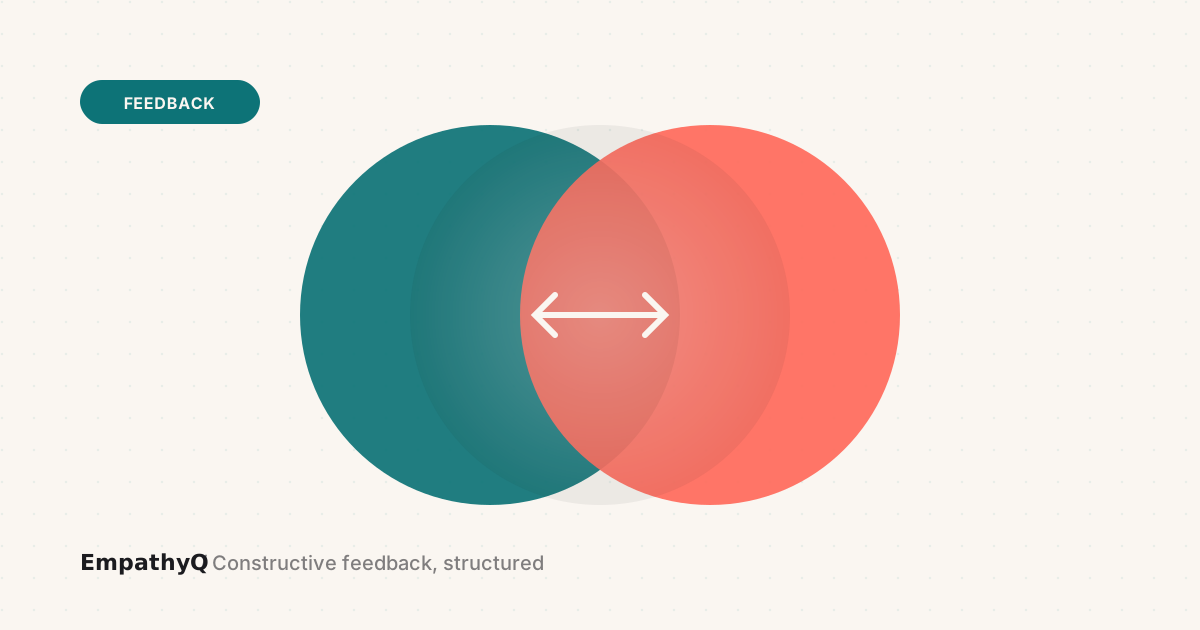
Two overlapping circles with a bidirectional arrow, representing balanced two-way feedback
feedback

How to Give Constructive Feedback at Work Without Crushing Morale

A practical, evidence-based framework for giving constructive feedback that drives performance without damaging trust. Includes scripts, examples, and the four-part SBI-I model.

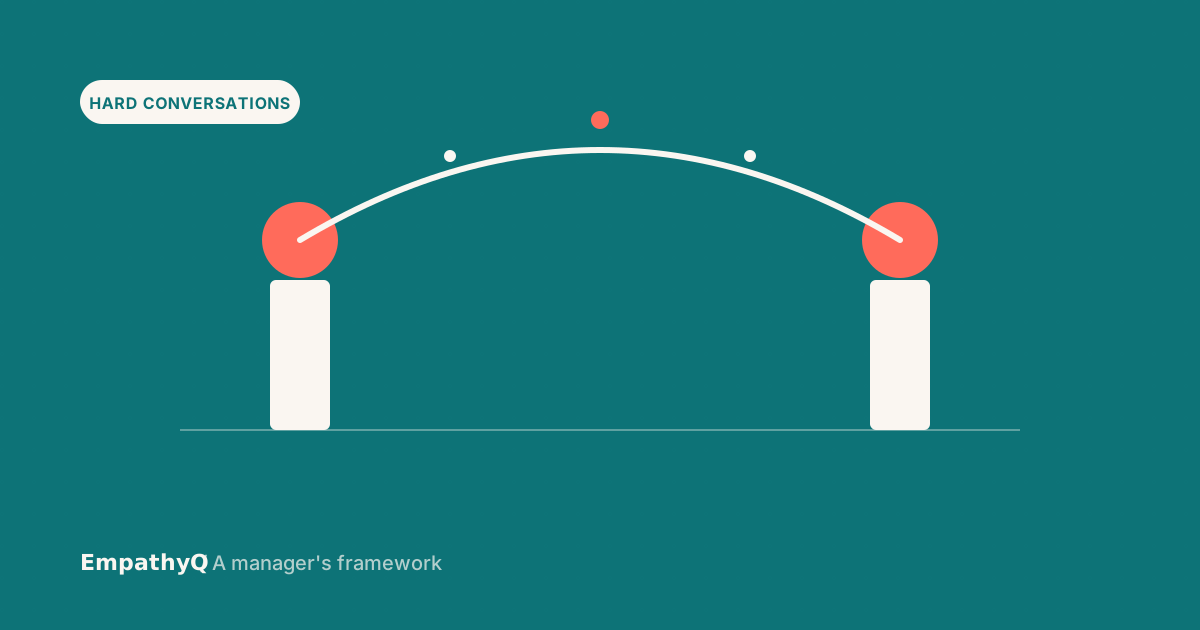
A bridge arc connecting two pillars, representing navigating across a difficult conversation
difficult-conversations

Difficult Conversations at Work: A Manager's Step-by-Step Framework

How to prepare for and lead difficult conversations at work — from underperformance to interpersonal conflict. A repeatable framework with scripts, common pitfalls, and a pre-conversation checklist.

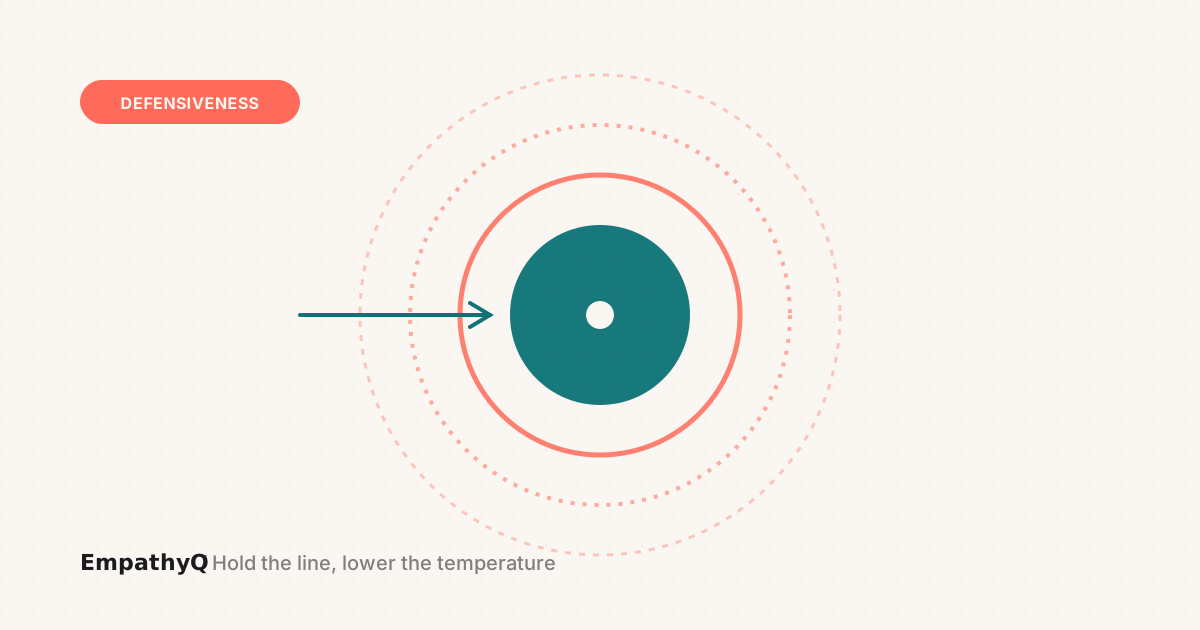
Concentric defensive rings with an opening, representing a shield lowering
difficult-conversations

How to Handle a Defensive Employee in 1:1s and Performance Reviews

When an employee gets defensive at every piece of feedback, the instinct is to back off. That makes it worse. Here's how to hold the line, lower the temperature, and have the conversation that actually changes behavior.

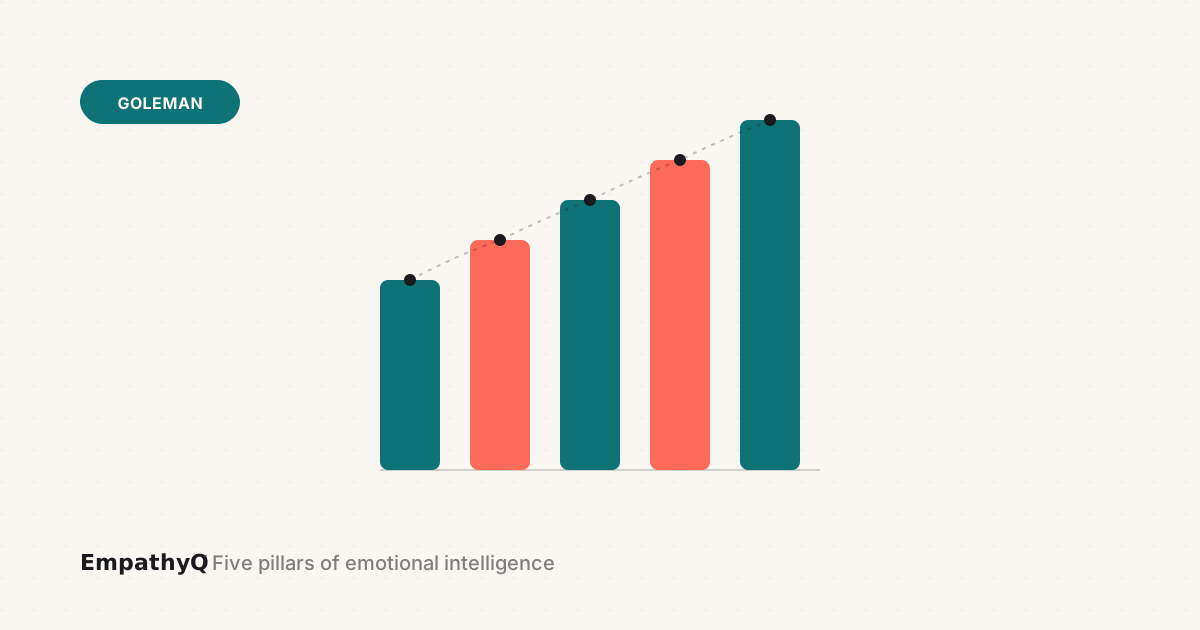
Five vertical columns of varying heights representing the five pillars of emotional intelligence
emotional-intelligence

Goleman's 5 Pillars of Emotional Intelligence: A Manager's Guide

A working manager's guide to the five dimensions of emotional intelligence — self-awareness, self-regulation, motivation, empathy, and social skills — with concrete habits and examples for each.

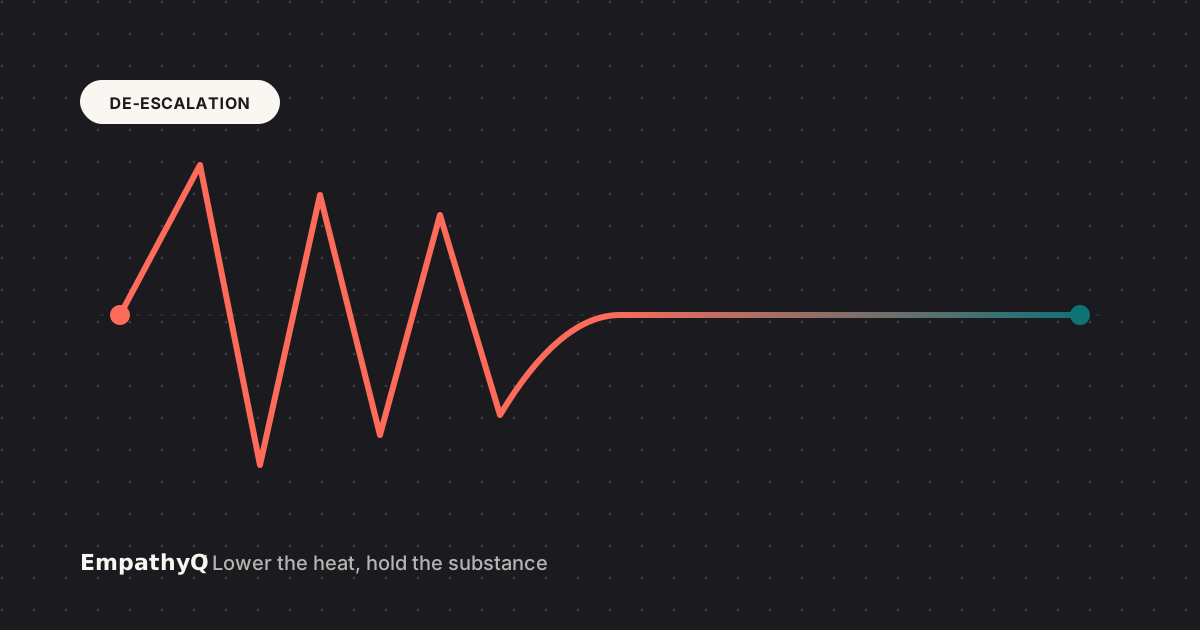
A jagged line transitioning into a smooth wave, representing de-escalation
conflict-resolution

How to De-escalate Conflict at Work: 7 Phrases Strong Leaders Use

Workplace conflict doesn't escalate randomly — it follows a pattern, and so does de-escalation. Seven phrases (and the moves behind them) that lower the temperature without backing down on substance.

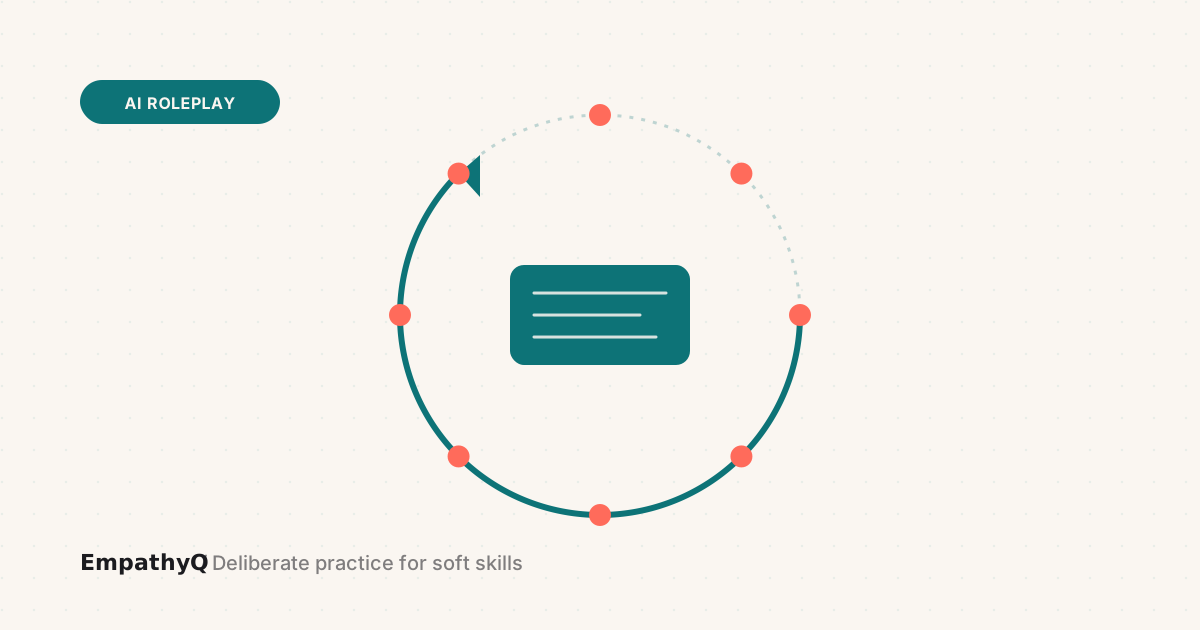
A circular practice loop with eight rep markers, representing deliberate practice
ai-coaching

Why AI Roleplay Beats Reading for Building Soft Skills

Soft skills are motor skills, not knowledge. Reading about feedback doesn't make you good at feedback any more than reading about tennis makes you good at tennis. Here's the science of practice — and why AI roleplay finally makes it scalable.

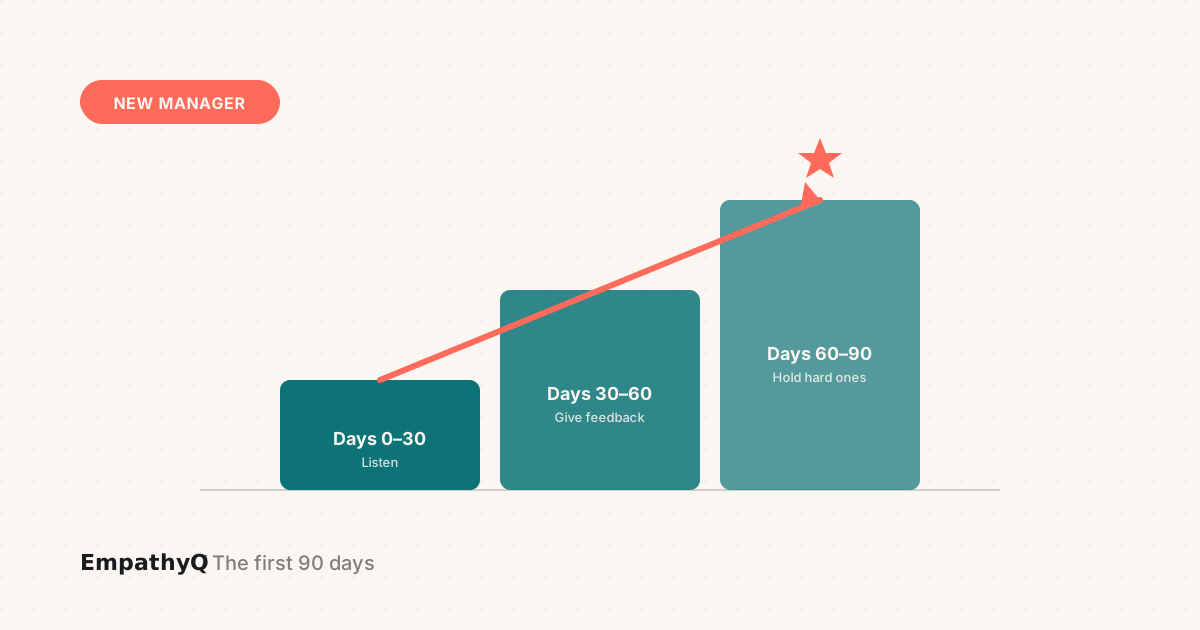
Three ascending steps with a rising arrow, representing the first 90 days of new management
new-manager

Emotional Intelligence for New Managers: The First 90 Days

The skills that got you promoted are not the skills that will make you a good manager. A practical guide to the EQ habits new managers need in their first 90 days — and how to build them under real-world pressure.

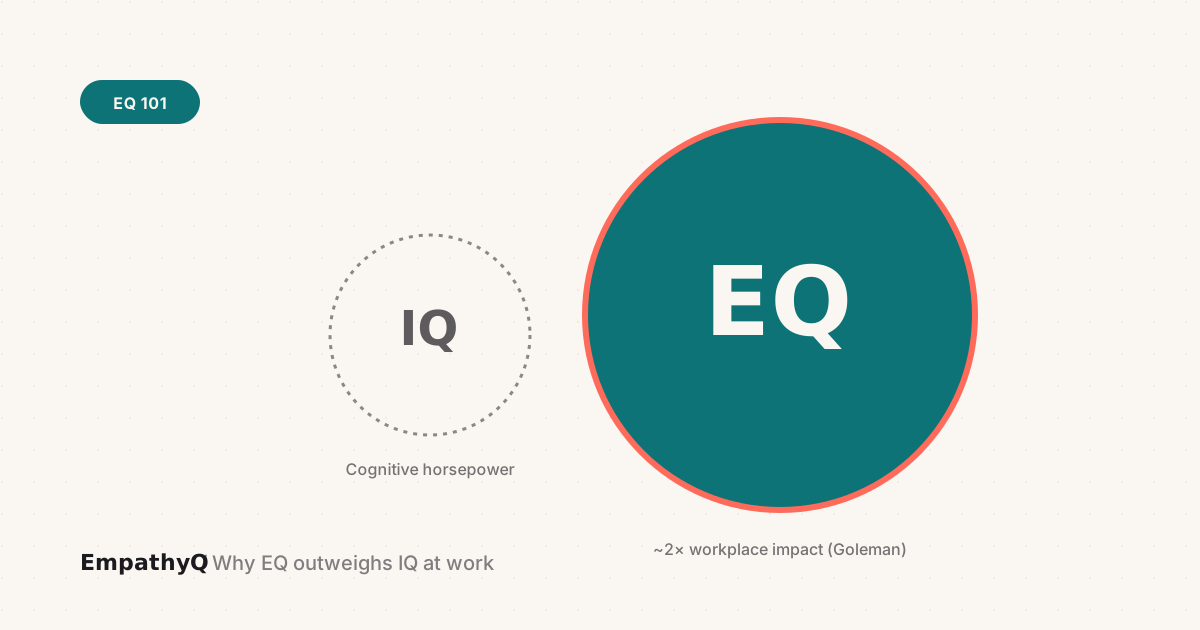
Two circles labeled IQ and EQ with EQ visibly larger, showing the relative weight of emotional intelligence
emotional-intelligence

Why Emotional Intelligence Matters More Than IQ

Research shows EQ is twice as important as IQ for outstanding performance. Here's why and how to improve yours.